A Designer's Review of the Layered Christmas Tree Laser Cut Design
When I open a new embroidery file for review, my first question is always: how will this actually look when it’s stitched out? It’s not just about the digital preview. It’s about imagining it on fabric, in a hoop, with thread. So, let’s talk about the Layered Christmas Tree Laser Cut design from that practical, in-the-workshop perspective.
The First Impression: Clean Geometry for a Festive Mood
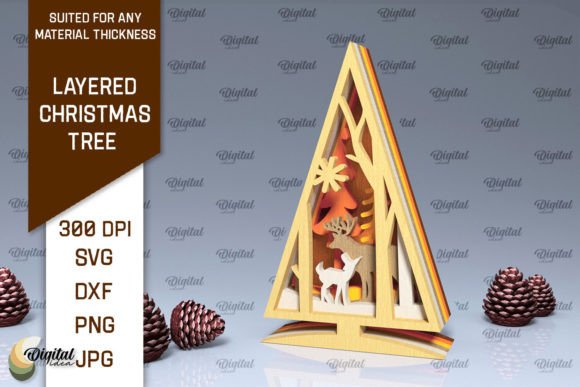
This design immediately strikes me with its clear, structured layers. The laser-cut aesthetic isn’t just a label—it’s a visual personality. It feels modern, precise, and slightly minimalist, yet utterly festive. It avoids the cluttered, overly-busy look of some holiday motifs, which is a huge advantage when you’re aiming for a sophisticated handmade product. The shape is bold and recognizable, and the layered detail suggests nice opportunities for thread color play. It doesn’t scream "childish"; it whispers "crafted." This tells me it belongs on projects where clean presentation matters—think boutique kitchen towels, premium pillow covers, or a stylish custom sweatshirt for a holiday gift.
Where This Design Excites Me: Project Fit and Potential
I’m picturing a specific scenario: preparing a batch of embroidered tote bags for a December craft fair. The Layered Christmas Tree Laser Cut file, with its strong outline and defined layers, would stitch out with excellent clarity on a sturdy canvas bag. The crisp edges would hold up, making each bag look professionally decorated, not just homemade. That’s key for building customer trust and perceived value.
Beyond tote bags, this design’s personality fits a surprisingly wide range. On a baby’s organic cotton sweater, it would be a charming, gentle decoration. As a patch on a cap, its geometric form would adapt well to the curved surface without losing its identity. For a small shop selling personalized tea towels or aprons, this tree becomes a consistent, recognizable branding element throughout their holiday line. It’s also a natural candidate for digital product previews and printable mockups for Etsy sellers—the clean lines will render well on a screen, giving potential buyers a clear idea of the final embroidered product.
Visual Appeal and Commercial Sense
Using a design like this affects more than just the stitch count. It affects your brand. When a customer sees this tree on a product, they get a sense of orderly craft. The stitching clarity, assuming proper stabilizer and thread choices are made, should be high. That clarity directly boosts the product’s giftability and professionalism. It looks intentional, not accidental. For creative entrepreneurs selling finished items, that engagement—the moment a buyer nods and says, “That’s lovely”—is everything. This design has the bones to support that moment.
The Careful Considerations: Where to Pay Attention
No design is universally perfect, and a thoughtful review means noting where to proceed with caution. The layered nature suggests there might be smaller, detailed corners or gaps. On very small hoop sizes, those details might need simplification or could become overly dense. I’d be particularly mindful on textured fabrics like some sweaters, or on thin, stretchy fabrics without robust stabilizer—the crisp lines could get lost or distorted.
Dark fabric is another consideration. The design’s inspiration photos likely show it on lighter backgrounds, but how will it translate to a dark sweatshirt? A test on scrap fabric with planned thread colors is essential. Also, on products destined for frequent washing, like baby clothes or kitchen linens, you’d want to ensure the stitch density isn’t so high that it stiffens the fabric uncomfortably. The beauty of a laser-cut style is often in its open spaces, so that might work in its favor here.
A Note on Licensing and Use
Since this is a digital embroidery file provided in SVG format, the foundational step for any commercial use is confirming the licensing terms. Before selling any finished product—whether it’s an embroidered patch, a holiday gift, or a line of boutique merchandise—you must know if the license permits commercial embroidery. This is not a minor detail; it’s a business safeguard. The product description doesn’t specify these terms, so checking with the designer or digital product seller is a non-negotiable first step.
Practical Notes for Your Embroidery Project
Before you load this file and start stitching for a client project or your craft business, here’s my standard designer checklist. These steps turn a good digital asset into a great finished product.
- Test on Scrap First. Use the same fabric you intend for the final product. This reveals how the stitch density interacts with the material.
- Check Thread Color Contrast. Play with schemes on paper or in software. The layers invite creativity—maybe metallics for one layer, traditional greens for others.
- Review for Small Details. Zoom in on the SVG file. Are there tiny elements that might vanish on a busy fabric texture?
- Confirm Your Hoop Size. Ensure the design’s dimensions fit comfortably within your available hoop for a stable stitch-out.
- Test in Black and White. Create simple mockups on both light and dark backgrounds to judge its versatility.
- Use Proper Stabilizer. For crisp laser-cut style lines, the right stabilizer is your best friend, especially on apparel or stretchy fabrics.
- Consider the End Use. Is this for a one-time holiday gift, or for a product line that will be washed often? That influences your material and thread choices.
Ultimately, the Layered Christmas Tree Laser Cut design feels like a solid, versatile asset for winter and holiday projects. Its strength is its clear, modern geometry, which translates well across many embroidery applications—from personal gifts to small shop merchandise. Approach it with a professional’s precautions: test thoroughly, respect licensing, and choose your projects wisely. When you do, it has the potential to stitch out into something that truly delights both you and your customers.