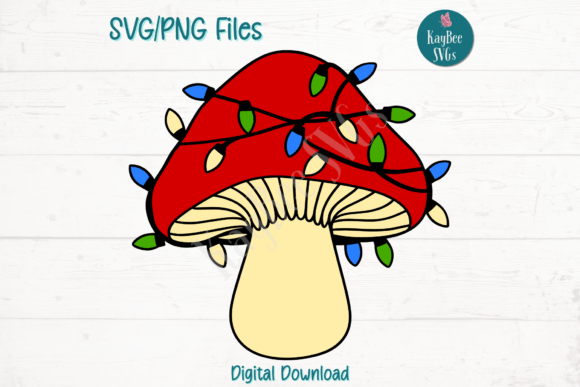
Christmas Mushroom: A Festive Graphic Design Asset for Crafts & Editorial Joy
As a digital publisher who designs blog layouts every week, my first test for any graphic design asset is simple: does it immediately create a mood that supports the content? When I previewed the Christmas Mushroom design, the impression was clear. This isn’t just a generic holiday clipart. It carries a distinct blend of whimsical charm and artistic detail. The mood is playful, seasonal, and decidedly creative—perfect for content niches that celebrate DIY, handmade crafts, festive home decor, and cozy winter lifestyles. It feels both decorative and intentional, a visual anchor that can make a blog post or digital guide feel more personal and engaging.
The Editorial Mood: Where This Design Asset Elevates Content
This graphic design asset naturally supports content that is inviting, instructional, and community-focused. Imagine a blog article about “Creating a Mushroom-themed Christmas Village,” a downloadable guide on “Festive Polymer Clay Ornaments,” or a Pinterest pin for “Non-Traditional Holiday Decor Ideas.” The Christmas Mushroom introduces a visual story. It suggests a niche that is artistic, slightly whimsical, and dedicated to the craft enthusiast. For a publisher, this is gold. It helps establish immediate category recognition—readers scanning a blog sidebar or a newsletter gallery will instantly associate this visual with crafts, DIY projects, and seasonal creativity. This builds a stronger visual identity for your entire content library.
Real Publishing Workflow: From Blog Featured Image to Digital Product Cover
In a real publishing workflow, a versatile graphic like this becomes a multitasking hero. Let’s walk through a typical week. Monday, I’m preparing a blog post about unique Christmas crafts. The Christmas Mushroom becomes the featured image, cropped and layered with a clean headline in a sans-serif font. The contrast is excellent, making the text highly readable. That same image, with a vertical crop and a bold call-to-action text overlay, is saved as a Pinterest pin. Tuesday, I’m designing a lead magnet—a downloadable PDF guide on holiday crafting. The mushroom design serves as the eBook cover and as decorative accents on the interior pages, giving the digital product a polished, cohesive look. Wednesday, I need a banner for my weekly newsletter announcing a new crafting tutorial. The asset works perfectly as a newsletter header, creating a festive, clickable visual that stands out in a crowded inbox.
Supporting Content Performance: Clickability, Trust, and Brand Consistency
How does this translate to performance? A strong, niche-specific graphic like the Christmas Mushroom strengthens the first impression of any content piece. On a website, it creates a clearer visual hierarchy—the eye is drawn to the featured image, then to the headline. For affiliate marketers promoting craft supplies or digital tools, using this consistent visual across blog graphics, social media posts, and digital ad creatives builds reader trust and professional credibility. The content feels curated, not haphazard. This improves click-through potential, especially on platforms like Pinterest where visual appeal is paramount. For online educators and creative entrepreneurs, it elevates downloadable resources like worksheets, templates, and media kits, making them look like premium digital products.
Best Use Cases: Where This Design Shines in Your Visual System
This asset works exceptionally well in specific publishing contexts:
- Hero images and article headers for blog posts about festive DIY projects.
- Article thumbnails and category visuals in a blog sidebar or archive page.
- Pinterest pins and Instagram stories focused on holiday crafting inspiration.
- Editorial accents within long-form blog posts or digital guides to break up text.
- Content upgrades and lead magnets, such as printable templates or pattern guides.
- Newsletter headers and social media previews for seasonal campaign launches.
- Canva templates you create for your audience to use, building community engagement.
Publisher Notes: Practical Application & Considerations
Before committing this design to your live website, run a few practical tests. Always preview it inside a real blog layout on both desktop and mobile screens. Check how it looks as a tiny thumbnail—does the central mushroom detail remain recognizable? Test it with various headline font styles: a clean sans-serif for a modern blog, a playful script for a feminine craft site, or a bold display font for a bold call-to-action. Place it on both light and dark backgrounds to check contrast and readability. For web performance, ensure you compress the image properly to keep file size low. Crucially, if you are using it on monetized websites, affiliate pages, or paid content products, confirm the commercial licensing terms. The description mentions it’s crafted to elevate projects across various platforms, which typically indicates broad use, but verification is a key step for professional publishers.
Contexts for Careful Use: When to Opt for a Different Visual
While versatile, the Christmas Mushroom has a specific character. Use it carefully in these scenarios:
- Small mobile thumbnails where extremely fine details might become lost.
- Text-heavy blog images where the graphic could compete with dense paragraphs.
- Low-contrast backgrounds that might dull its festive color palette.
- Busy layouts with multiple competing visuals; it works best as a focal point.
- Serious professional niches or corporate content where a playful mushroom may feel mismatched.
- Websites with a very minimal visual system that relies solely on typography and photography.
Ultimately, this graphic design asset from KayBee SVGs is a creative tool designed to unleash publisher creativity. It’s curated for craft enthusiasts, but its application for digital publishers, bloggers, and content creators is vast. By integrating the Christmas Mushroom into your editorial design and web design workflow, you invest in a visual system that communicates quality, fosters reader connection, and elevates every piece of content—from a simple blog graphic to a comprehensive digital guide—into a more engaging, trustworthy, and clickable experience.