Putting the Gingerbread House Embroidery Design to Real-World Use
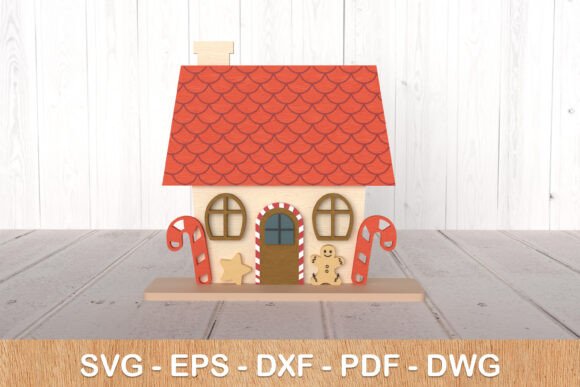
When you’re browsing digital embroidery files, especially themed designs, the real question isn’t just "does it look cute?" but "how will it stitch, wear, and sell?" I’ve been looking at the 3D Gingerbread House Laser Cut Decor with that lens, imagining it hooped up and stitched out for client orders and my own shop products. The immediate charm is there—it’s a classic, cozy winter symbol, but its true value comes from how it translates from screen to fabric.
The First Stitch Impression: More Than Just Holiday Cheer
Opening this design, the mood is instantly festive and nostalgic, perfect for triggering that warm holiday feeling. The "3D" aspect suggests some nice layering potential, which is great for creating depth in an embroidered piece. The shape and details feel well-suited for a standout focal point, not just a tiny accent. This isn’t a generic snowflake; it has a distinct visual personality that can elevate a simple item into a memorable holiday gift or seasonal product. My mind immediately goes to where it would shine: a beautifully embroidered holiday pillow cover for a boutique, a custom family-name apron as a personalized gift, or as a central motif on a winter-themed tote bag for a craft fair.
Where This Design Performs Brilliantly in Your Projects
Let’s talk real-life application. I picture stitching the 3D Gingerbread House Laser Cut Decor onto a high-quality cotton sweatshirt. The detail level suggests it would need a decent hoop size to maintain clarity, but the result would be a rich, decorative piece that adds significant value to a basic apparel item. For baby clothes or nursery decor, like a blanket corner, it could become a sweet, heirloom-quality detail if scaled appropriately and stitched with soft threads. As an embroidered patch, it would be fantastic—applicable to caps, bags, or even kitchen towels, offering versatility. For Etsy sellers and small business owners, this design can be the hero of a holiday collection: think embroidered tea towels, apron sets, or personalized pillow covers listed in your shop. The theme is universally recognized, which aids in buyer engagement and giftability.
In commercial embroidery projects or for digital product sellers using it in mockups, the provided file formats like SVG and DXF are crucial. They allow for clean scaling and integration into professional presentations or for laser cutting applications as mentioned. This adaptability makes it a robust design asset.
Proceed with Caution: Situations That Demand a Test Run
Not every design is for every surface. For the 3D Gingerbread House Laser Cut Decor, I would be cautious on very small hoop sizes. Fine details might get lost or become too dense. Textured or highly stretchy fabrics could distort the cleaner lines of the house shape. Embroidering it on dark fabric backgrounds requires careful thread color planning to maintain that gingerbread warmth—test your contrasts. Curved surfaces like caps need thoughtful placement to ensure the design sits flat and doesn’t pucker in detailed corners.
Also, consider the end-use. Products destined for frequent washing, like baby clothes or kitchen linens, need this design stitched with durability in mind: proper stabilizer, quality thread, and perhaps even a slight simplification of the most intricate areas if your machine struggles with ultra-high stitch density. Always check the licensing details for this embroidery file before selling finished items or commercial products to ensure you’re clear.
How This Embroidery File Elevates Your Work and Your Business
The practical impact of using a well-crafted design like this is tangible. For your handmade presentation, it offers a cohesive, professional look that builds customer trust. When a gift apron or a boutique sweatshirt features a clean, detailed gingerbread house, it speaks to quality. It supports brand consistency if holiday themes are part of your craft business identity. For the buyer, it’s instantly recognizable and emotionally engaging, which directly affects perceived product value and can make your Etsy listing or small shop merchandise stand out in a crowded winter market.
Essential Designer Notes Before You Hoop Your Fabric
My standard practice, and I recommend it here, is to always test the 3D Gingerbread House Laser Cut Decor on scrap fabric first. Use the same material and weight as your final project. Check thread color contrast by stitching a small section on both light and dark background scraps. Review the stitch density in your test—does it feel too heavy for the fabric? Confirm the minimum hoop size your machine needs to keep all details sharp. Inspect the small details in the stitched sample; are they clear and stable?
It’s also wise to test the design in simple black and white digital mockups to see how it looks as a graphic element on your product listings. Use proper stabilizer for your test and final run. Finally, explicitly confirm whether this machine embroidery design is intended for both personal and commercial projects based on the included license, as this is the bedrock of selling your finished product confidently.
In the end, the 3D Gingerbread House Laser Cut Decor feels like a solid, festive design asset. Its real worth will be proven by your thoughtful application—choosing the right project, preparing properly, and stitching it with an eye for how it will live in the real world, on a gift, in a home, or as part of your growing craft business.